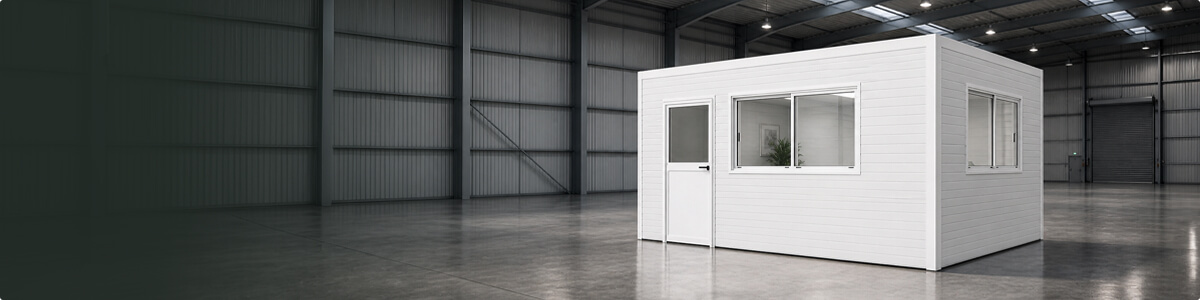
Prefab Cabins for Safety: Secure Spaces in High-Risk Environments
Contents
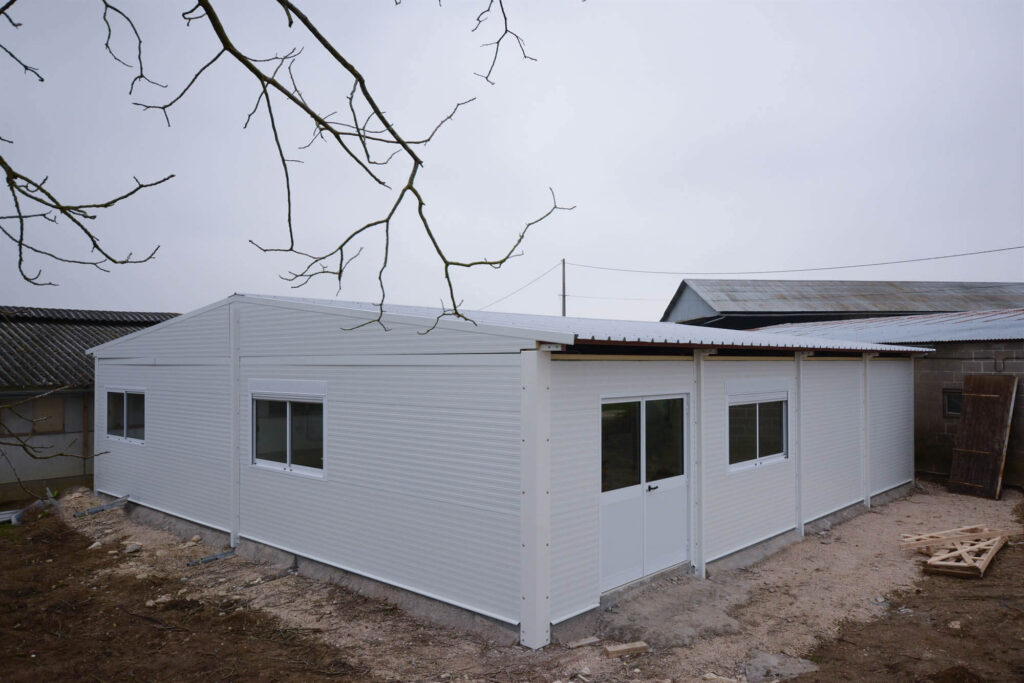
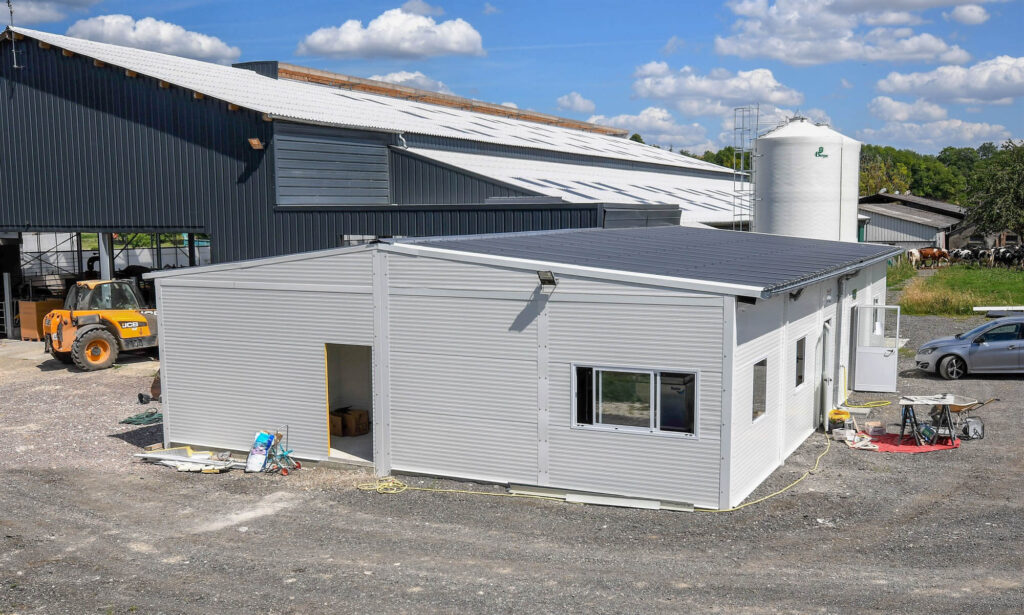
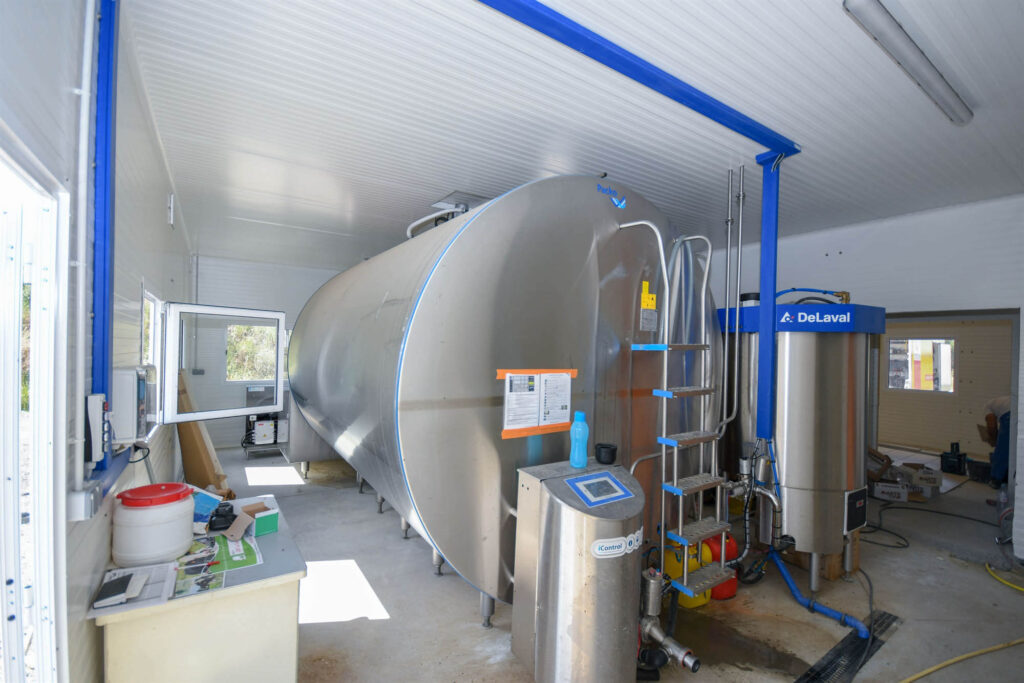
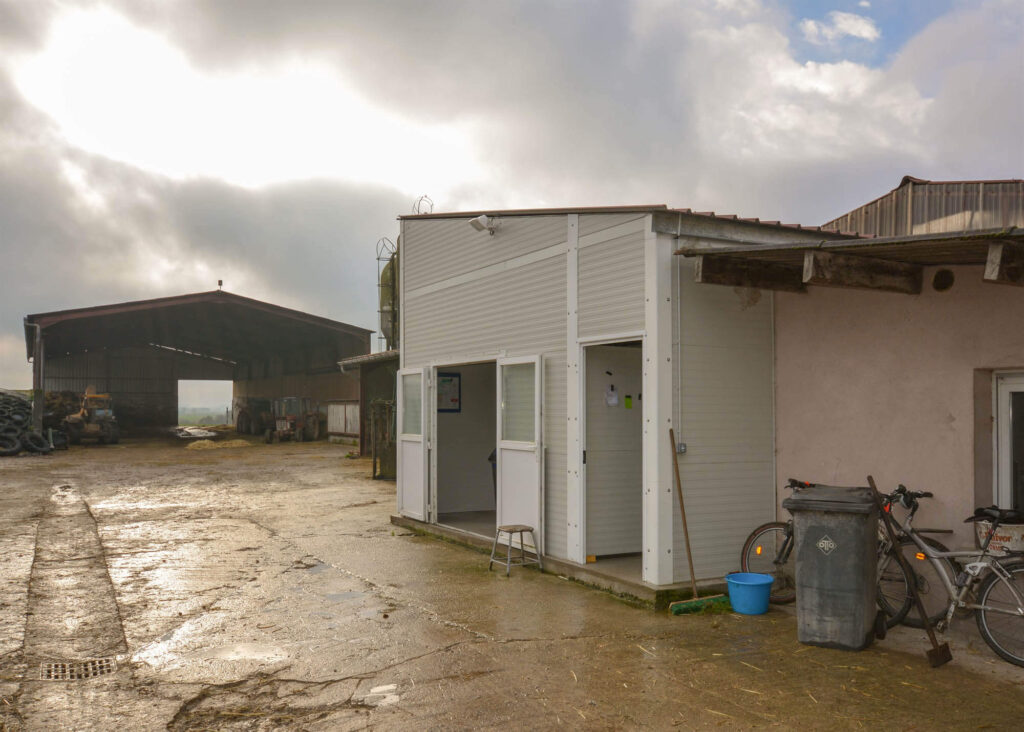
Prefab cabins provide secure, insulated, and controlled spaces within high-risk environments. They help organisations separate people from hazards, protect sensitive operations, and meet safety requirements without long construction timelines.
High-risk environments demand more from buildings than comfort or convenience. Whether the setting is an industrial site, a food production facility, a logistics yard, or a rural operation, safety is often the primary driver behind workspace decisions. In these contexts, prefab cabins are increasingly used not as temporary offices, but as controlled, secure spaces designed to protect people, processes, and equipment.
Rather than adapting unsuitable buildings or compromising on safety, organisations are using prefab cabins to create purpose-built environments that reduce risk and support compliance.
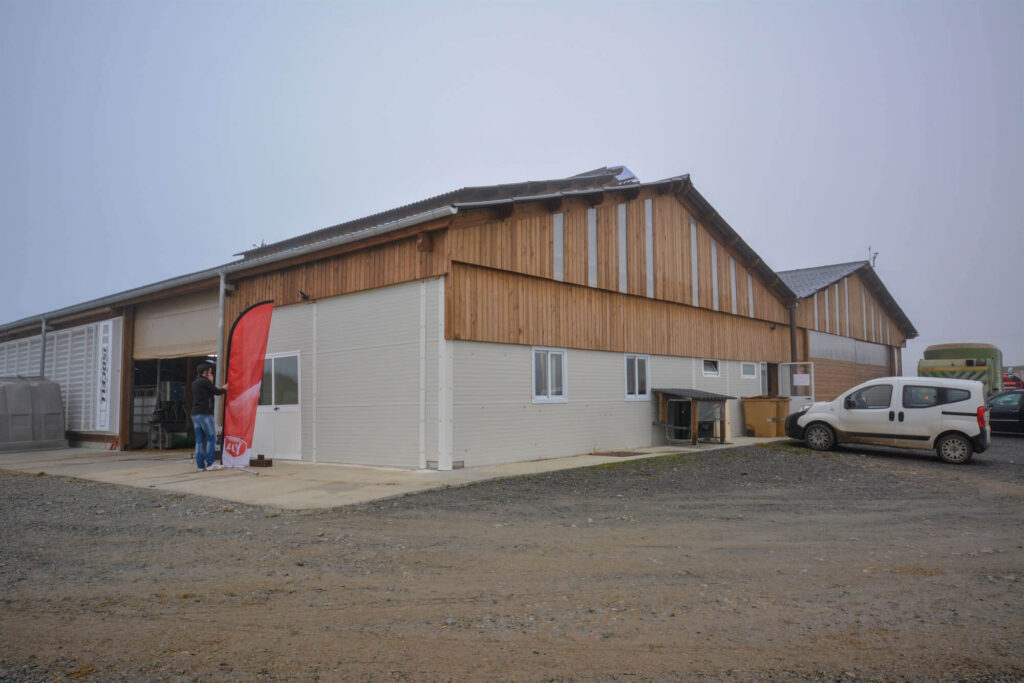
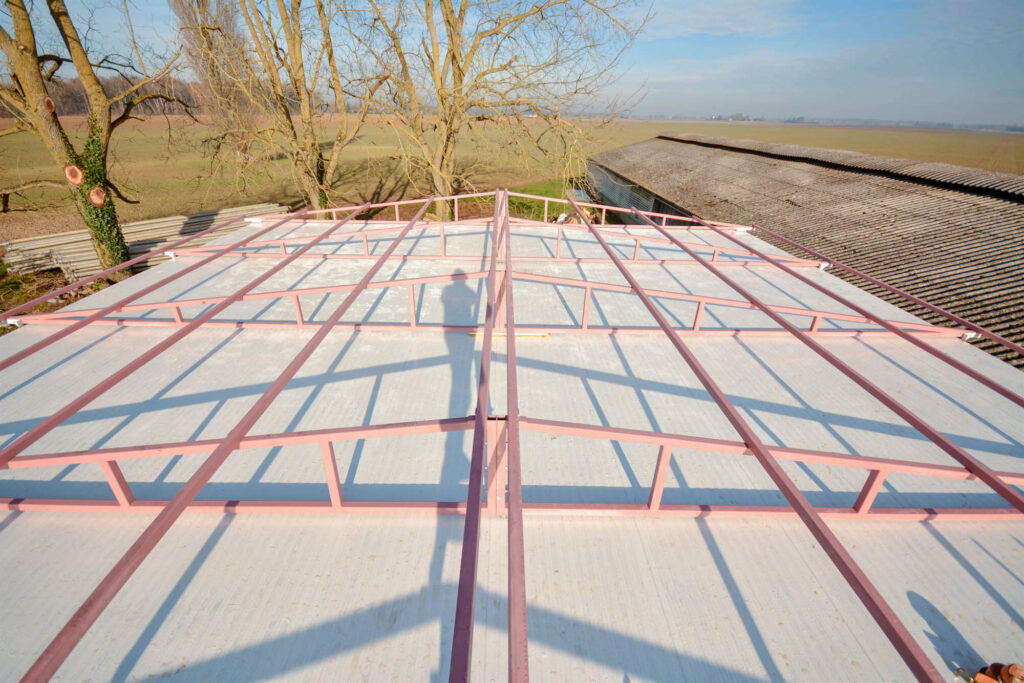
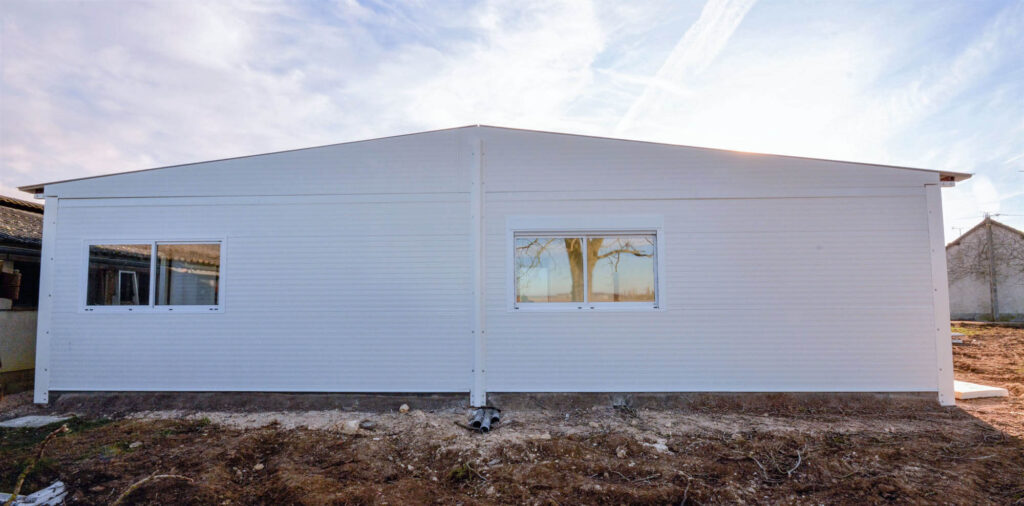
Short summary
Prefab cabins provide secure, insulated, and controlled spaces within high-risk environments. They help organisations separate people from hazards, protect sensitive operations, and meet safety requirements without long construction timelines or permanent alterations.
Why you can trust us
Create A Cabin designs and supplies prefabricated buildings for industrial, agricultural, and commercial settings where safety, hygiene, and reliability matter. We work with organisations operating in complex environments, where buildings must support compliance, protect staff, and perform consistently under demanding conditions.
Why safety-focused space matters more than ever
Many workplaces contain inherent risks. Forklift traffic, heavy machinery, temperature extremes, dust, moisture, or hygiene controls are part of daily operations. In these environments, poorly defined or improvised workspaces increase exposure to hazards.
Common issues include:
- Offices positioned too close to operational activity
- Staff working in noisy or dusty areas
- Inadequate separation between people and machinery
- Temporary structures that do not meet safety standards
Prefab cabins address these problems by creating clearly defined, enclosed spaces that are designed with safety in mind from the outset.
What makes prefab cabins suitable for high-risk environments
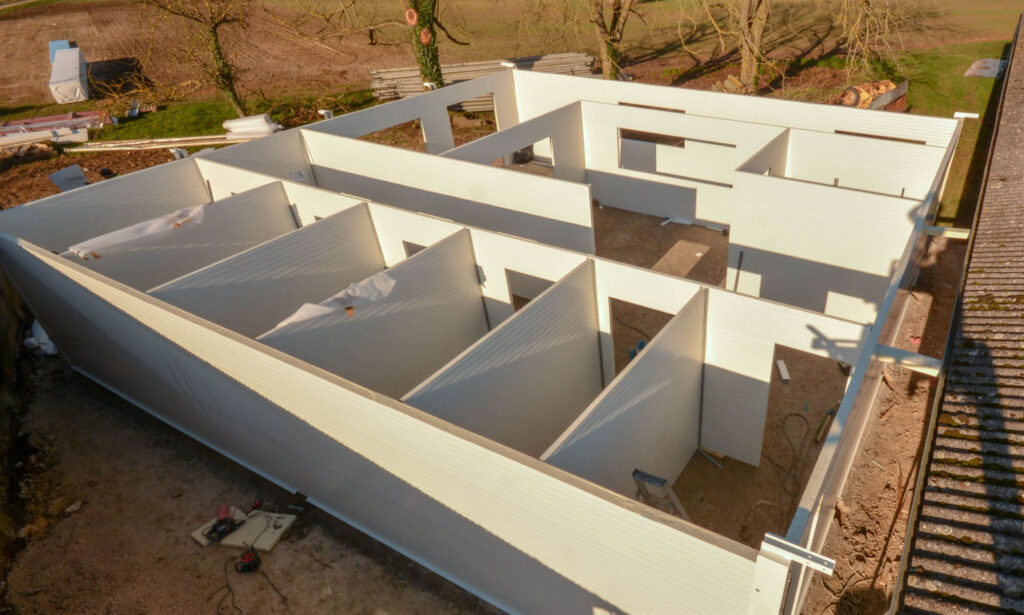
Prefab cabins are manufactured off-site in controlled conditions, then assembled quickly on location. This approach allows safety considerations to be built into the structure rather than added as an afterthought.
Key characteristics include:
- Robust insulated panels that provide physical separation
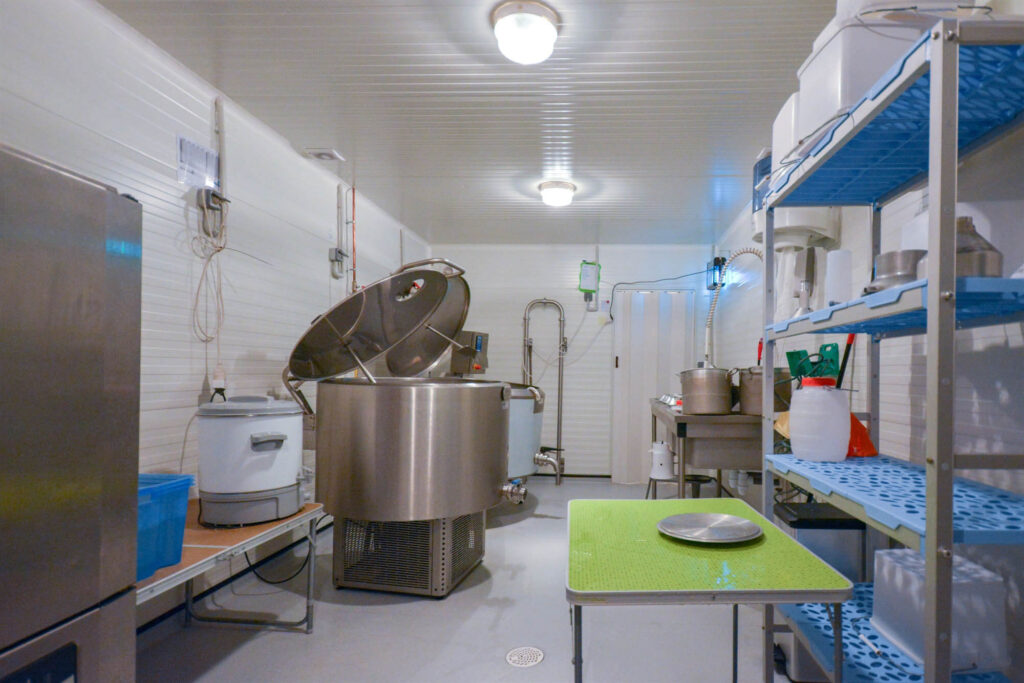
- Clean, sealed surfaces that reduce contamination risks
- Predictable build quality and performance
- Controlled access points through defined doors and glazing
- Layouts designed around operational workflows
Unlike ad-hoc partitions or temporary huts, prefab cabins are engineered systems. They provide consistency, which is essential in environments where safety procedures must be repeatable and reliable.
Reducing exposure by separating people from risk
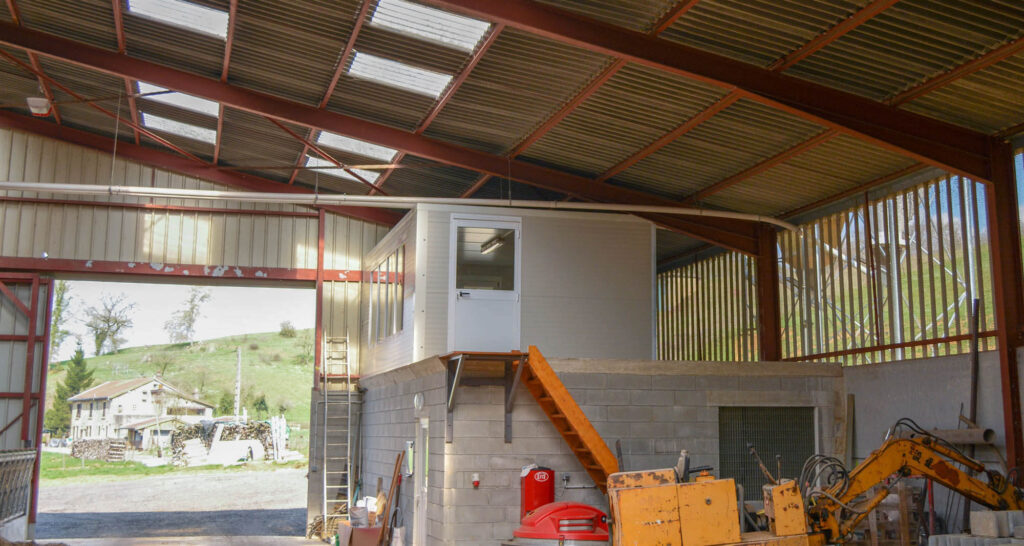
One of the most effective ways to improve safety is to increase distance between people and hazards. Prefab cabins make this possible without moving operations or redesigning entire facilities.
Typical safety-led uses include:
- Offices positioned away from forklift routes
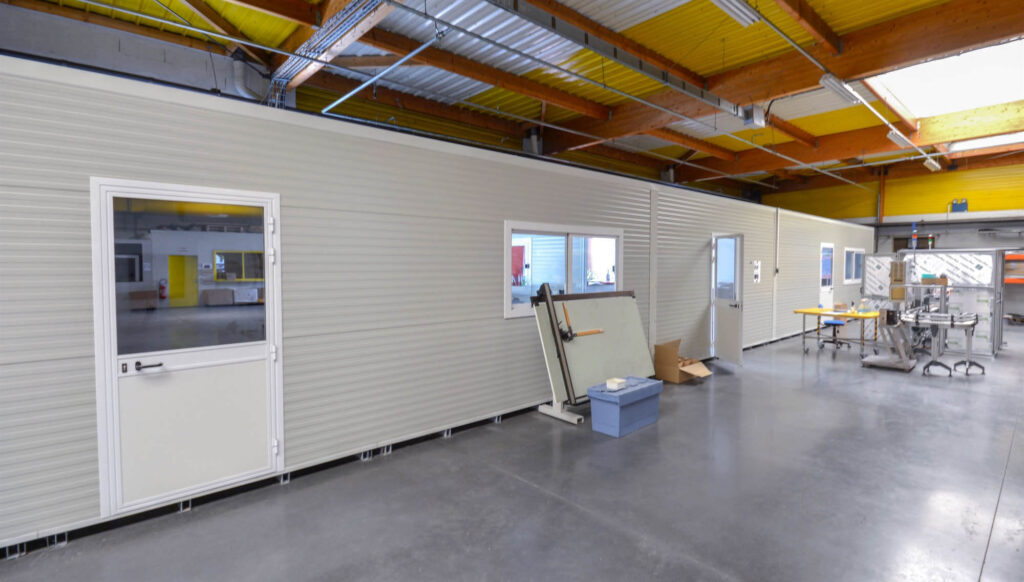
- Control rooms separated from production floors
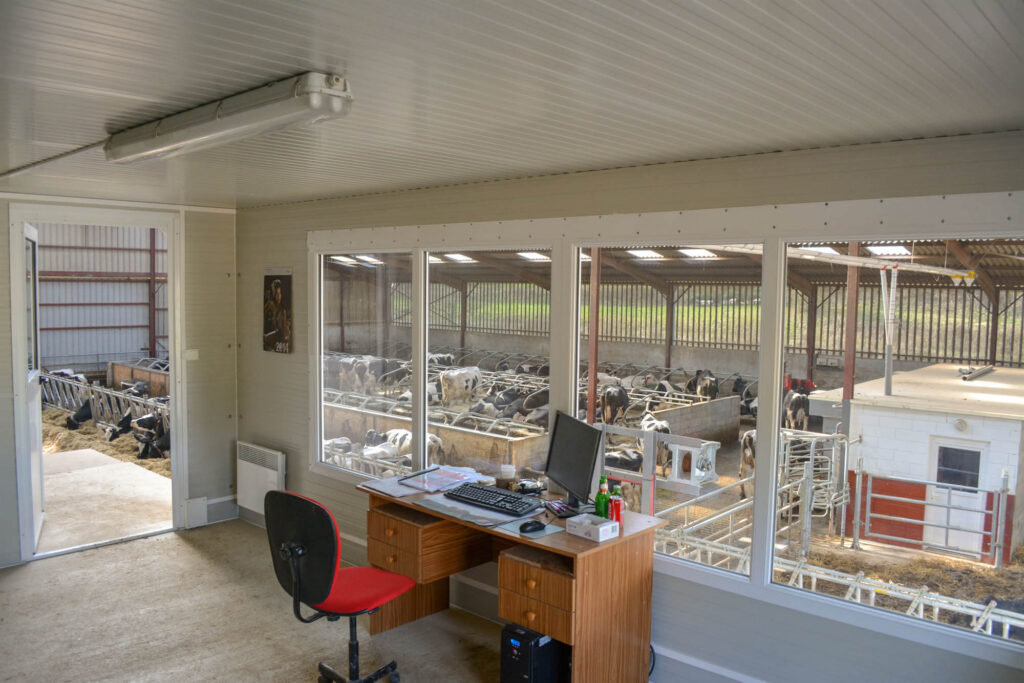
- Supervisor spaces with clear visibility but physical protection
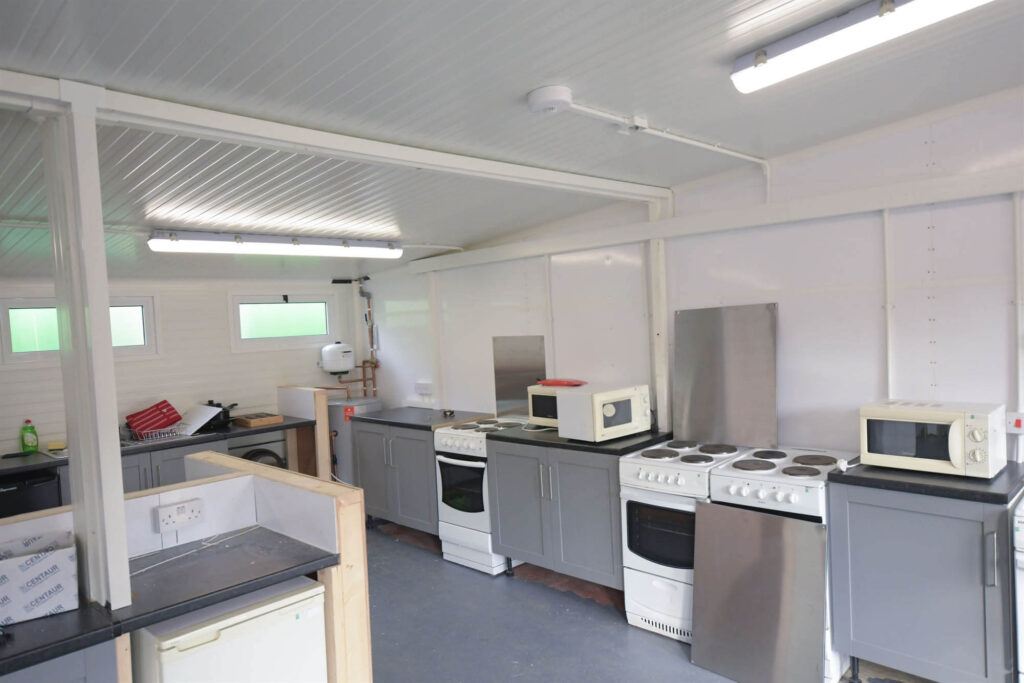
- Staff welfare areas isolated from hazardous processes
By relocating people into secure, enclosed spaces, organisations can significantly reduce the likelihood of accidents while maintaining oversight and communication.
Controlled environments inside challenging sites
High-risk environments often struggle to provide stable working conditions. Temperature fluctuations, airborne particles, moisture, or noise can all affect safety and performance.
Prefab cabins create controlled internal environments that support:
- Consistent temperature and ventilation
- Reduced noise levels
- Improved air quality
- Cleaner, easier-to-maintain surfaces
This is particularly valuable in food production, manufacturing, and agricultural settings, where environmental control is linked directly to compliance and staff wellbeing.
Supporting compliance and inspections
Regulatory compliance is a major concern in high-risk environments. Whether the focus is health and safety, food hygiene, or operational standards, buildings play a direct role in meeting requirements.
Prefab cabins help organisations demonstrate:
- Clear separation of activities
- Appropriate working conditions for staff
- Cleanable, hygienic surfaces where required
- Defined access and movement routes
Because prefab cabins are designed intentionally rather than improvised, they are easier to document, inspect, and maintain over time.
Speed without compromising safety
Urgency is common in safety-related projects. An incident, inspection, or operational change can highlight the need for better space almost immediately.
Traditional construction often moves too slowly to respond effectively. Prefab cabins offer a faster route, allowing organisations to improve safety conditions within weeks rather than months.
This speed matters, not only for operational continuity, but also for reducing exposure while improvements are underway.
If you are responding to a safety concern or inspection requirement, you can discuss options here
https://createacabin.co.uk/contact-us
Adaptability as risks change
Risk profiles rarely stay the same. New equipment, process changes, or increased throughput can introduce new hazards over time.
Prefab cabins are well suited to evolving environments because they can be:
- Repositioned within a site
- Extended to accommodate more staff
- Reconfigured for different functions
- Repurposed as operations change
This adaptability allows safety strategies to evolve alongside the business, rather than being locked into fixed layouts that no longer fit.
Security as part of safety
In many high-risk environments, safety and security overlap. Sensitive equipment, confidential information, or controlled processes often require restricted access.
Prefab cabins can be designed with:
- Lockable doors and controlled entry points
- Limited glazing where privacy is required
- Defined internal zones for authorised personnel
This makes them suitable not only for physical safety, but also for protecting intellectual property, data, or regulated processes.
Where prefab cabins are commonly used for safety
Safety-driven prefab cabins are used across a wide range of sectors, including:
- Manufacturing and engineering facilities
- Warehouses and logistics hubs
- Food production and processing sites
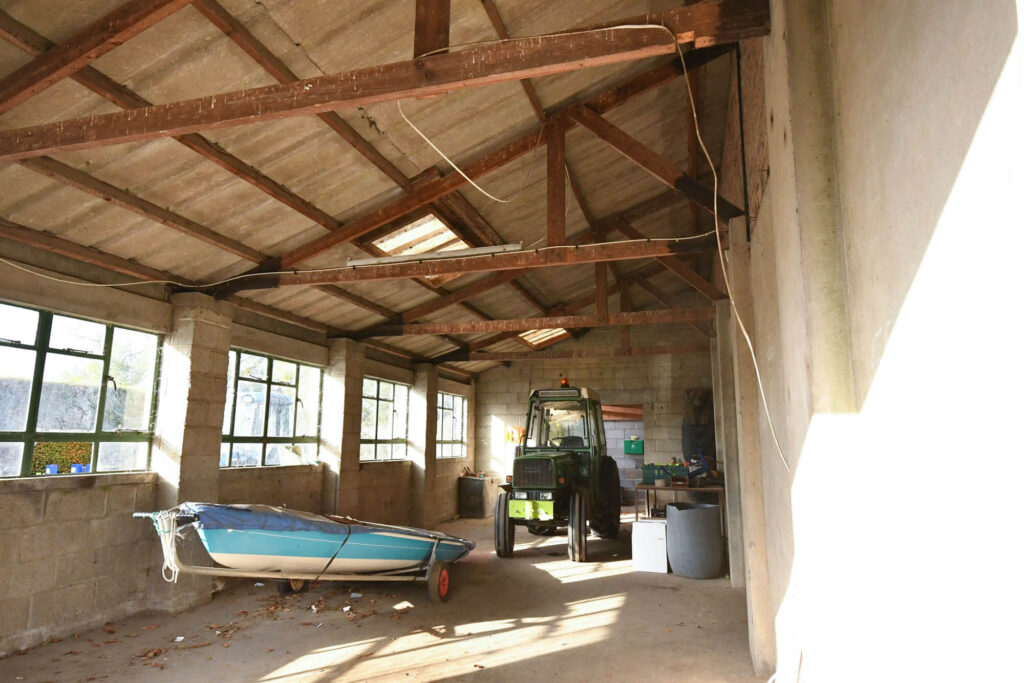
- Agricultural operations and farm buildings
- Waste management and recycling centres
- Construction and infrastructure projects
In each case, the goal is the same: to create safe, controlled space within a complex or hazardous environment.
Why prefab cabins outperform temporary fixes
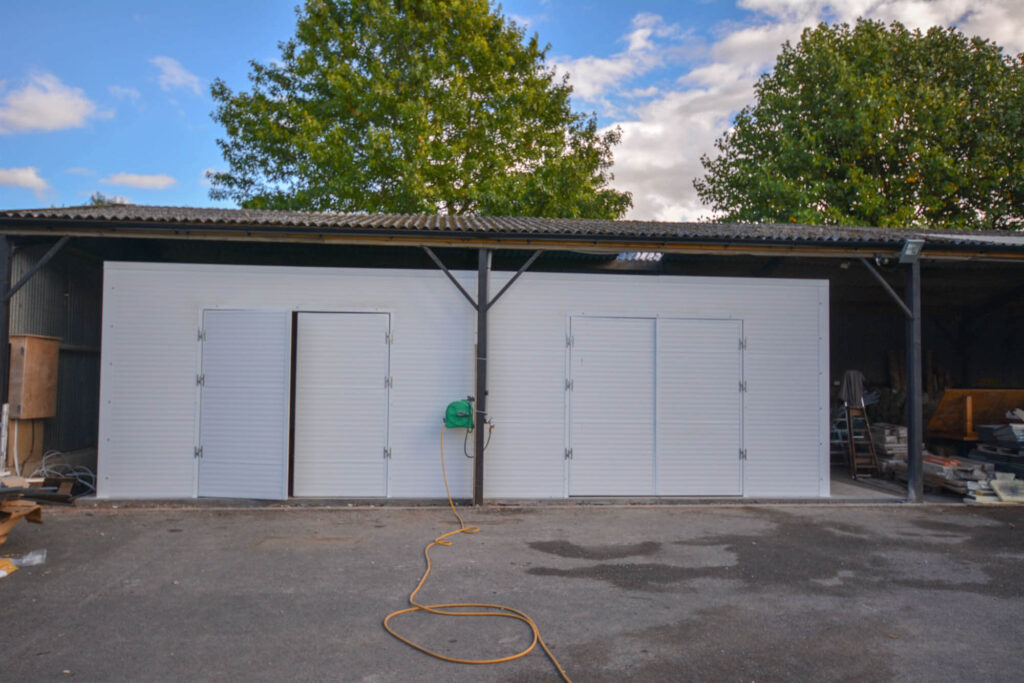
Temporary cabins or improvised structures are often used as quick fixes, but they frequently introduce new risks. Poor insulation, unstable construction, or inadequate separation can undermine safety objectives.
Prefab cabins are different because they are designed to be used confidently, not tolerated temporarily. Their build quality, insulation, and structural integrity make them suitable for long-term use in demanding conditions.
This reduces the need for repeated fixes and helps organisations take a proactive approach to safety rather than reacting to problems as they arise.
Why organisations choose Create A Cabin for safety-led projects
Create A Cabin supplies prefab cabins that are designed for real working environments, not idealised conditions. Our systems are:
- Built using insulated, self-supporting panels
- Suitable for industrial and high-risk settings
- Designed to be easy to clean and maintain
- Flexible enough to adapt as risks evolve
We work with clients who need buildings to support safety, compliance, and operational clarity, not just provide shelter.
If safety is driving your need for space, you can speak to our team here
https://createacabin.co.uk/contact-us
Conclusion
In high-risk environments, space is not neutral. The way workspaces are designed has a direct impact on safety, compliance, and performance.
Prefab cabins offer a practical way to create secure, controlled environments without long build times or disruptive construction. By separating people from hazards and supporting consistent working conditions, they play an important role in modern safety strategies.
For organisations looking to improve safety without slowing operations, prefab cabins are not a compromise. They are a considered, effective solution.
Latest Articles

Newsletter
Lorem ipsum dolor sit amet, conse ctetur adipiscing elit, sed do eius mod tempor incididunt ut labore